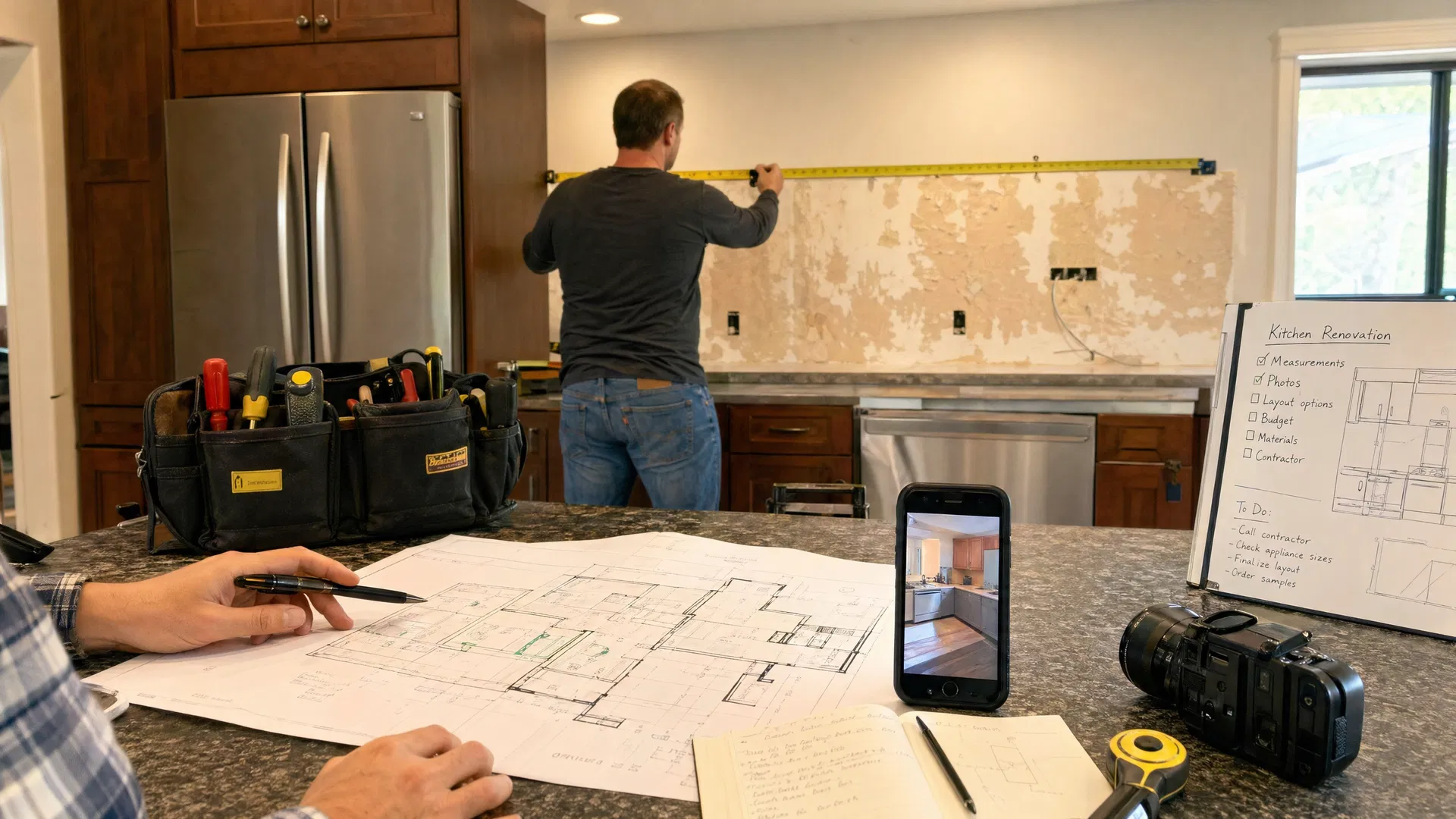
The Right Way to Prepare for a Full Gut Renovation
Comprehensive guide to preparing your home for a successful full gut renovation, from planning and budgeting to hiring professionals and managing the process.
A full gut renovation is one of the most significant investments you'll make in your home. Whether you're renovating a kitchen, bathroom, or entire living space, proper preparation is the difference between a smooth project and a stressful nightmare. At WDDR, we've guided hundreds of homeowners through full gut renovations, and we've identified the critical preparation steps that ensure success. This guide covers everything you need to know to prepare your home for a complete renovation.
STEP 1: DEFINE YOUR VISION AND GOALS
Before any demolition begins, you need a clear vision of what you want to achieve. Spend time gathering inspiration from magazines, websites, and social media. Create a Pinterest board or a folder of images that represent your ideal finished space. Consider your lifestyle, how you use the space, and what improvements would add the most value.
Write down your specific goals. Are you renovating for personal enjoyment, to increase home value, or to address functional issues? Are you looking for a modern aesthetic, a classic style, or something in between? Understanding your priorities helps guide all subsequent decisions.
This visioning phase typically takes 2-4 weeks. Don't rush it. The clearer your vision, the better your contractor can execute it and the fewer change orders you'll encounter during construction.
STEP 2: ESTABLISH YOUR BUDGET
A realistic budget is essential. Research typical renovation costs in your area for the scope of work you're planning. A full kitchen renovation typically costs $50,000-$150,000. A bathroom renovation ranges from $15,000-$50,000. A full home gut renovation can easily exceed $200,000.
Your budget should include a 15-20% contingency for unexpected issues. When walls come down, contractors often discover problems—hidden water damage, structural issues, outdated electrical or plumbing—that need to be addressed. Having a contingency fund prevents these surprises from derailing your project.
Break down your budget by category: demolition, structural work, electrical, plumbing, HVAC, drywall, flooring, cabinetry, countertops, fixtures, and finishes. This detailed breakdown helps you make informed decisions about where to invest and where to economize.
STEP 3: HIRE THE RIGHT PROFESSIONALS
This is perhaps the most critical step. Your contractor sets the tone for the entire project. Interview at least three contractors. Ask for references and actually call them. Visit completed projects if possible. Check licenses, insurance, and bonding.
Don't automatically choose the lowest bid. The lowest bid often indicates a contractor who will cut corners or encounter financial difficulties during your project. Choose a contractor with experience in the type of renovation you're planning, strong references, and clear communication skills.
Get everything in writing—the scope of work, timeline, payment schedule, warranty, and change order procedures. A detailed contract protects both you and your contractor.
STEP 4: OBTAIN NECESSARY PERMITS
Permits are not optional—they're a legal requirement for most renovations. Permits ensure that work meets building codes and safety standards. They also protect your home's resale value and your insurance coverage.
Your contractor should handle permit applications, but you should understand what permits are required. Typical permits include building permits, electrical permits, plumbing permits, and mechanical permits. Permit costs typically range from $500-$2,000 depending on the scope of work.
Building inspections occur at various stages—after framing, after electrical and plumbing rough-in, and before final completion. These inspections ensure work meets code and identify issues before they become expensive problems.
STEP 5: PLAN FOR LIVING ARRANGEMENTS
A full gut renovation is disruptive. Dust, noise, and limited access to bathrooms and kitchens create challenges for daily living. Plan ahead for how you'll manage this disruption.
If you're renovating a kitchen, you'll need a temporary kitchen setup elsewhere in your home or plan to eat out frequently. If you're renovating bathrooms, you may need to use a guest bathroom or portable facilities. If you're doing a full home renovation, you may need to move out temporarily.
Discuss living arrangements with your contractor. Some contractors can phase the work to minimize disruption. Others may recommend temporary relocation. Understanding these logistics in advance prevents stress during the project.
STEP 6: PREPARE YOUR HOME
Before demolition begins, prepare your home for the disruption. Move furniture and personal items out of the work area. Protect flooring in adjacent areas with cardboard and plastic. Establish a clear pathway for debris removal and contractor access.
Disconnect and relocate items that need to be protected—artwork, plants, pets, and valuables. Establish a clean zone where contractors can wash hands and remove dust before entering other areas of your home.
Arrange for adequate parking for contractor vehicles and material deliveries. Communicate with neighbors about the project timeline and potential noise and disruption.
STEP 7: MAKE DESIGN DECISIONS EARLY
Make as many design decisions as possible before demolition begins. Finalize your choice of flooring, cabinetry, countertops, fixtures, paint colors, and hardware. Delays in design decisions delay the project and increase costs.
Work with your contractor to establish a timeline for when design decisions need to be finalized. Some decisions can wait until later in the project, but structural decisions and major fixture selections need to be made early.
STEP 8: UNDERSTAND THE TIMELINE
A realistic timeline prevents frustration. A full kitchen renovation typically takes 6-12 weeks. A bathroom renovation takes 4-8 weeks. Timelines depend on the scope of work, permit approval times, and whether unexpected issues are discovered.
Understand that timelines are estimates, not guarantees. Unexpected structural problems, permit delays, and material shortages can extend timelines. Build flexibility into your expectations and maintain open communication with your contractor about progress.
STEP 9: PLAN FOR WASTE MANAGEMENT
Gut renovations generate enormous amounts of waste. Plan for dumpster rental or haul-away services. Discuss waste management with your contractor—they typically handle this, but you should understand the costs and logistics.
Consider recycling and donation options for materials in good condition. Salvage companies may purchase architectural elements, fixtures, and materials. This reduces waste and can offset some renovation costs.
STEP 10: PREPARE FOR UNEXPECTED DISCOVERIES
When walls come down, surprises emerge. Hidden water damage, outdated electrical systems, structural issues, pest infestations, and asbestos or lead paint are common discoveries. These discoveries require additional work and expense.
Discuss with your contractor how unexpected issues will be handled. Will they require change orders? How will costs be determined? Having this conversation in advance prevents disputes when issues arise.
FINAL THOUGHTS
A full gut renovation is a significant undertaking, but proper preparation makes the process smoother and the results more satisfying. Take time to define your vision, establish a realistic budget, hire the right professionals, and prepare your home for the disruption.
At WDDR, we help homeowners navigate every phase of renovation, from initial demolition to final cleanup. Our experience with hundreds of full gut renovations has taught us that preparation is the foundation of success. If you're planning a renovation and need professional guidance, contact us today for a consultation.
Found this helpful? Share it with your network!